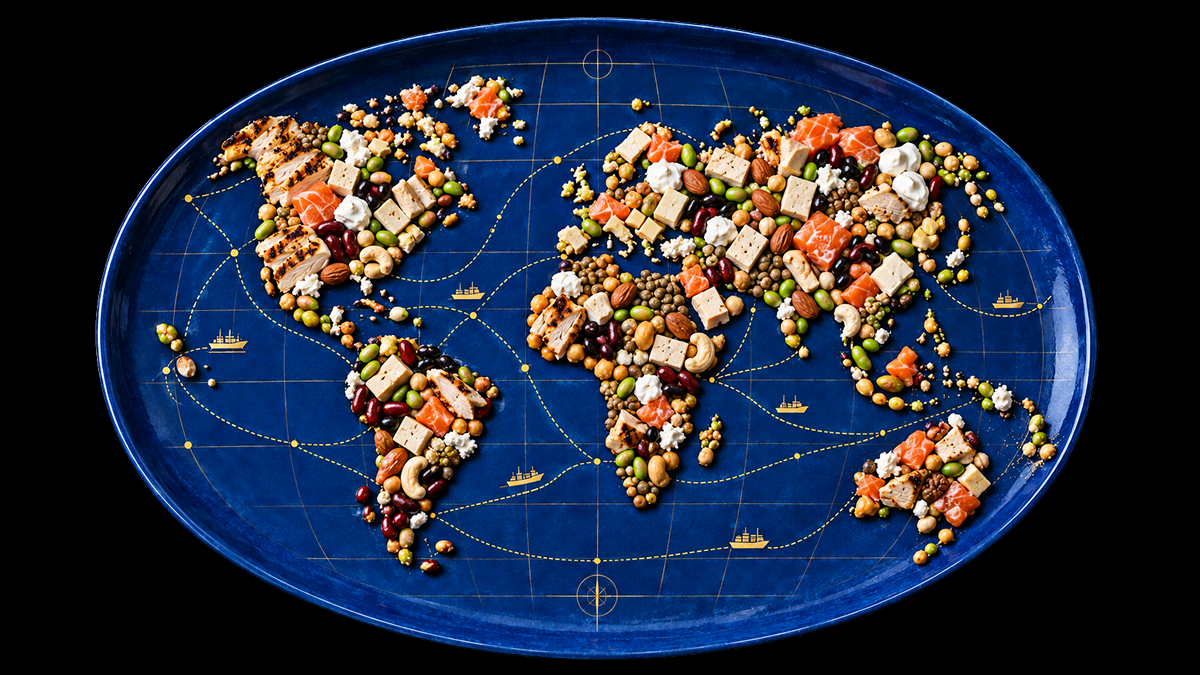
executive summaryThe last quarter of 2026 and early 2027 will be defined by structural upheaval. Wars and tariffs will continue to disrupt agricultural supply chains, and the current El Niño event, forecast to persist into spring 2027, will bring extreme weather patterns and disrupt growing seasons. Such stresses on food production coincide with historically high global protein demand, as protein-rich diets move into the mainstream and are adopted by growing urban populations with rising incomes.
The combination of increased demand, production and transportation interruptions, and broader geopolitical fragmentation is laying the groundwork for what we call “protein nationalism”: the use of state control over production capacity and exports as a political lever within and between countries.
The rise of protein nationalism is a global phenomenon, reflected in agendas ranging from the Make America Healthy Again (MAHA) movement to the Chinese Communist Party's 15th Five-Year Plan (FYP). But timelines and trajectories differ. In this report, we will examine these differences, taking a broad view of proteins (animal products, lab-grown meat alternatives, protein supplements, and protein-fortified staples). We will conclude with future scenarios and their implications across sectors.
Download the full report below.